A new SEZ generates GDP in three ways - similar to how new airline destinations attract customers
By George ELIOT
When a new Special Economics Zone (SEZ) is set up, it creates economic activities and generates GDP in three ways which are analogous to the way an airline attracts customers for a newly-launched flight destination:
A) By tapping pent-up demand that had existed perviously but had not been met.
B) By diverting activities (or airline passengers, respectively) from elsewhere, i.e. by stealing market share from other existing operations.
C) By generating new demand that had not existed previously.
For example, if an airline has just launched flights from Brighton to New York, A-type passengers are those who have always wanted to go to New York but did not want the hassle of flying from an airport further away; B-type passengers are those who were flying to New York via alternative indirect routes and who can now take the direct flight; and C-type passengers are those who only after seeing the news about the launch of the new destination will develop an interest in going to New York.
Similarly, the activities of a new SEZ are the result of: A) the activation of local capital and labour which were previously underutilised in that region; B) the diversion / displacement of existing activities that were being conducted elsewhere; and C) the attraction of new capital and labour which converge onto the new SEZ only after its launch.
The million-dollar question is what would the ratios be between A, B and C for a new SEZ? This will certainly depend on local context, track record and the country's business environment. Yet, a decent strating point is to assume that each will have a 33% contribution and then take it from there to make further adjustments.
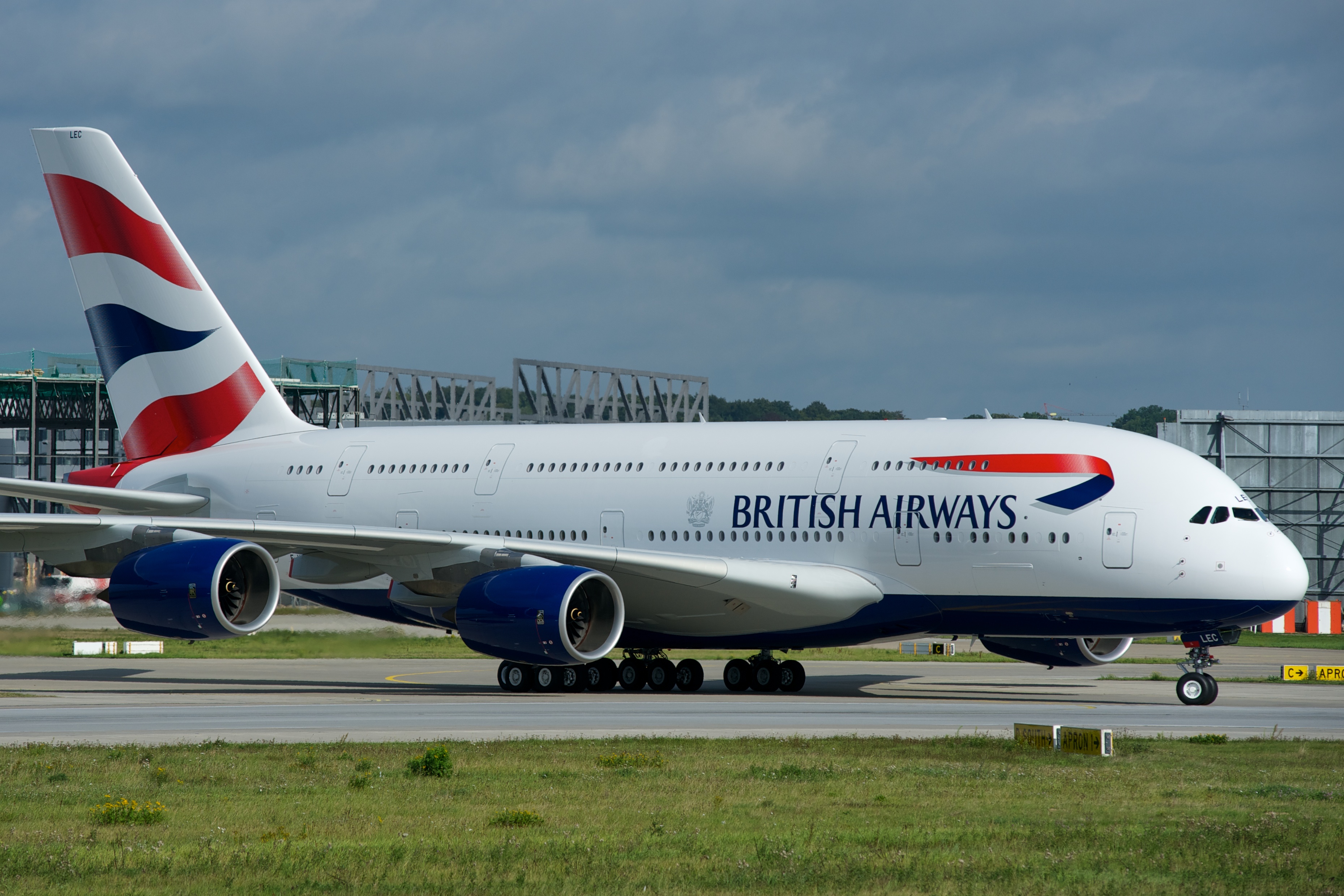 |
| British Airways plane ready for takeoff (Source: Wikipedia) |


Comments
Post a Comment